Why Are Your Gutters Overflowing Even When They’re Clean?
You cleaned your gutters, removed the leaves, and made sure there was no visible debris. But the next time it rains, water still pours over the edges.
Sound familiar?
Many homeowners assume overflowing gutters are always caused by clogs. While blockages are common, they aren’t the only reason your gutter system might struggle during heavy rainfall.
Understanding what’s happening can help you prevent unnecessary repairs and find a long-term solution.
1. Your Gutters May Be Too Small
Not every gutter system is designed to handle the same amount of water.
If your gutters are too small for your roof’s size, pitch, or local rainfall conditions, they may become overwhelmed during storms.
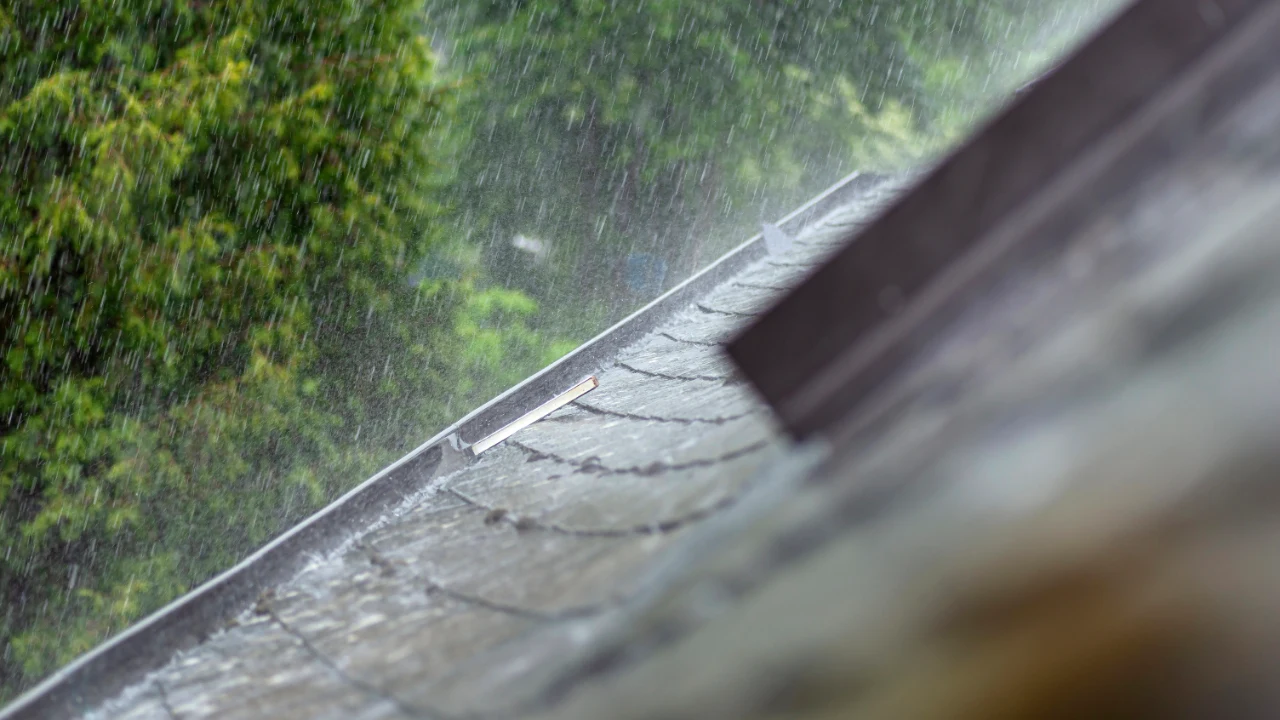
Even perfectly clean gutters can overflow when water enters faster than the system can carry it away.
Proper gutter sizing is an important part of effective rainwater management.
2. The Slope Might Be Incorrect
Gutters may look perfectly straight, but they actually need a slight slope to direct water toward the downspouts.
When the slope is insufficient or uneven, water can collect in certain areas instead of flowing efficiently.
Over time, standing water can add weight to the system and contribute to sagging or deterioration.
Professional installation helps ensure water moves in the intended direction.
3. Your Downspouts Could Be the Problem
Sometimes the problem isn’t the gutters themselves.
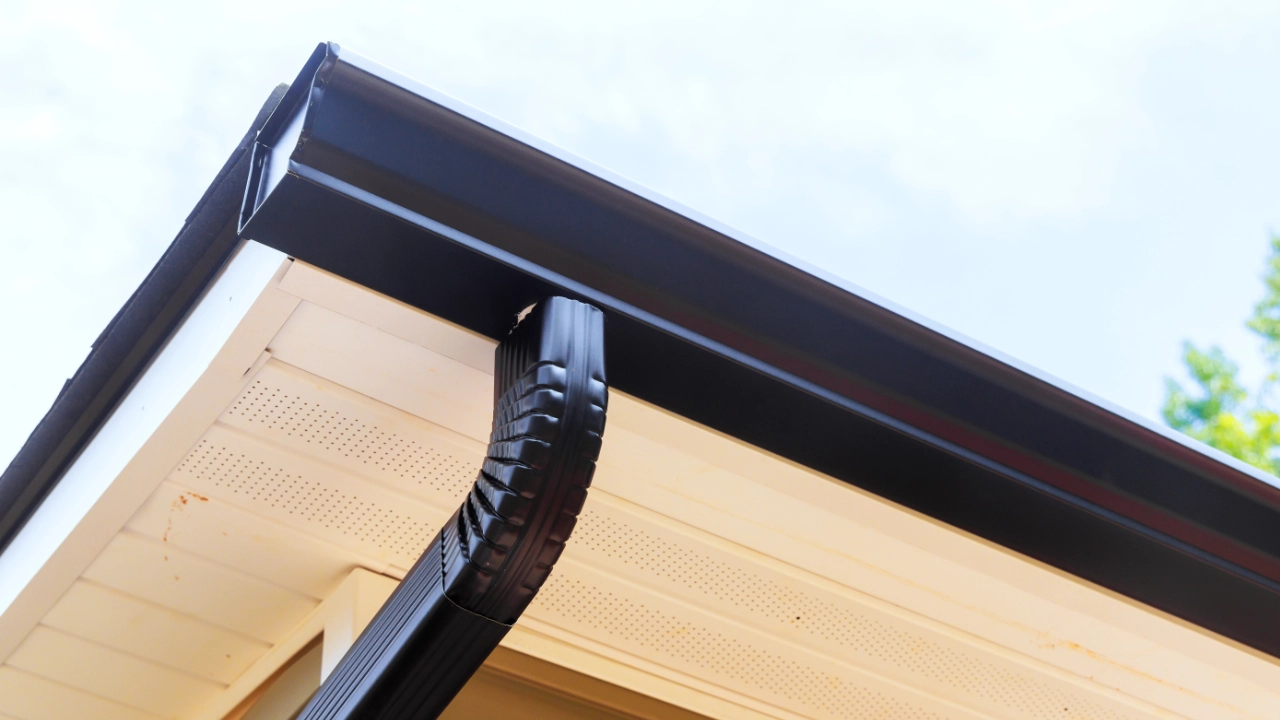
Downspouts are responsible for carrying collected rainwater away from the roofline. If they are blocked, improperly sized, or insufficient for the amount of water flowing through the system, gutters may back up and overflow.
Checking the entire drainage system is essential when trying to identify the cause.
4. Your Roof Design Can Affect Water Flow
Certain roof configurations concentrate rainwater in specific locations.
Roof valleys, steep slopes, and large roof sections can direct significant amounts of water toward relatively small gutter areas.
During heavy rainfall, these concentrated flows may overwhelm the system.
A properly designed gutter installation should account for how water moves across your roof, not simply follow the edges of the house.
5. Your Gutters May Be Sagging
Over time, gutters can begin pulling away from the fascia or developing low spots.
When this happens, water may collect instead of draining correctly.
Loose brackets, damaged fascia, and aging materials can contribute to these issues.
Ignoring sagging gutters may eventually lead to additional exterior damage.
How Can You Fix Overflowing Gutters?
The right solution depends on what’s causing the problem.
Sometimes, adjusting the slope, clearing a hidden blockage, or repairing a loose section may be enough.
In other situations, an improperly sized or aging gutter system may need to be replaced.
Before investing in repairs, it’s important to identify the underlying issue rather than repeatedly treating the symptoms.
Make Sure Your Gutters Are Doing Their Job
Your gutters should help direct rainwater away from vulnerable areas around your home.
If they’re overflowing despite regular cleaning, it may be time for a professional evaluation.
At Everlasting Gutters & Siding, we understand the importance of a properly installed drainage system.
Whether you’re considering an upgrade or replacing an outdated gutter system, our team can help you explore the right installation solution for your home.
Stop Dealing with Overflowing Gutters
Don’t wait until the next heavy storm to address a drainage problem.
Contact Everlasting Gutters & Siding today to discuss your gutter installation needs!